🌸 Producing Lavender: Complete Guide to Growing a Distinctive High-Value Agricultural Crop
Learn how to grow lavender successfully and discover why this beautiful crop is used in perfumes, essential oils, cosmetics, and profitable farming businesses
Introduction
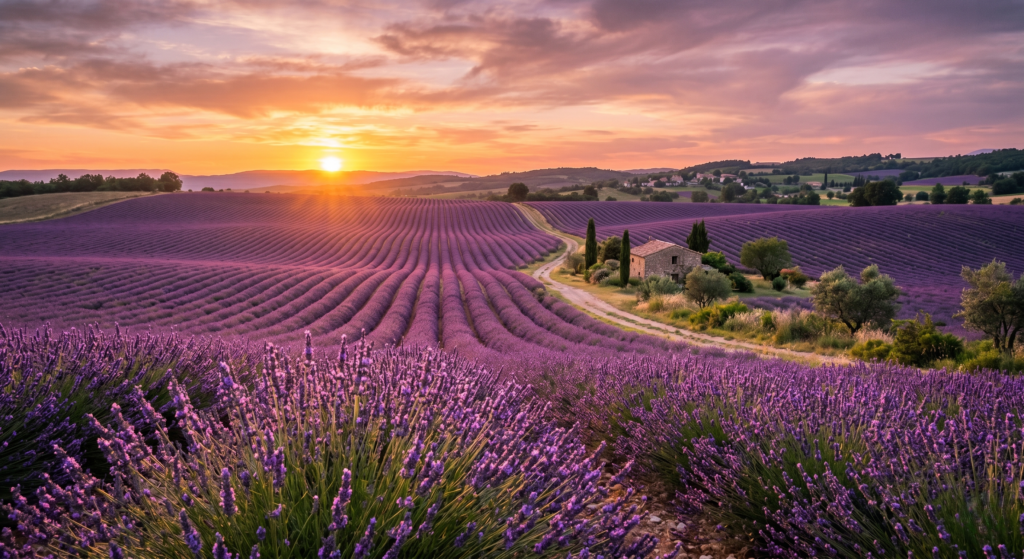
Lavender is one of the world’s most recognizable aromatic plants and among the most distinctive high-value agricultural crops. Known for its beautiful purple flowers and pleasant fragrance, lavender has become increasingly popular among farmers, gardeners, and agricultural businesses.
Lavender is not only attractive visually—it is also valuable commercially. Farmers around the world grow lavender for use in:
🌸 Essential oils
🧴 Cosmetics
🧼 Soaps
🕯 Candles
🧴 Beauty products
🌿 Herbal products
💐 Dried flower arrangements
🫖 Herbal tea blends
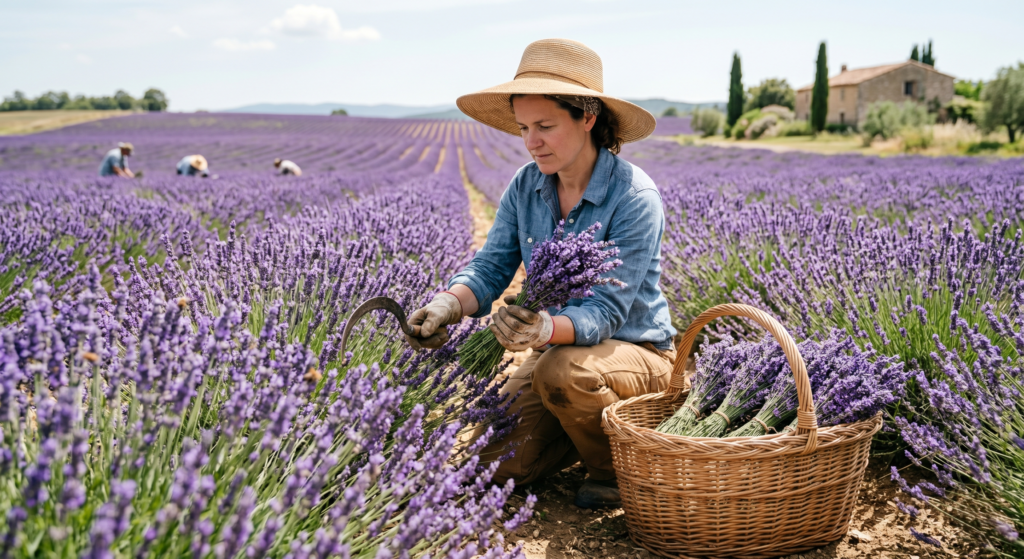
One of the biggest advantages of lavender farming is that it combines beauty with income potential. A well-maintained lavender field can become both a productive farm and a tourist attraction.
Compared to some crops, lavender requires relatively low maintenance after establishment, making it attractive for both small-scale and larger agricultural projects.
Benefits of growing lavender:
✓ High market value
✓ Attractive appearance
✓ Drought tolerance
✓ Multiple product uses
✓ Long lifespan
✓ Suitable for small farms
Understanding Lavender Varieties
Not all lavender plants are identical. Different varieties perform differently depending on climate and farming goals.
Popular types include:
English Lavender
Known for:
✓ strong fragrance
✓ cold tolerance
✓ essential oil quality
Common uses:
🌿 oils
💐 dried flowers
🧴 cosmetics
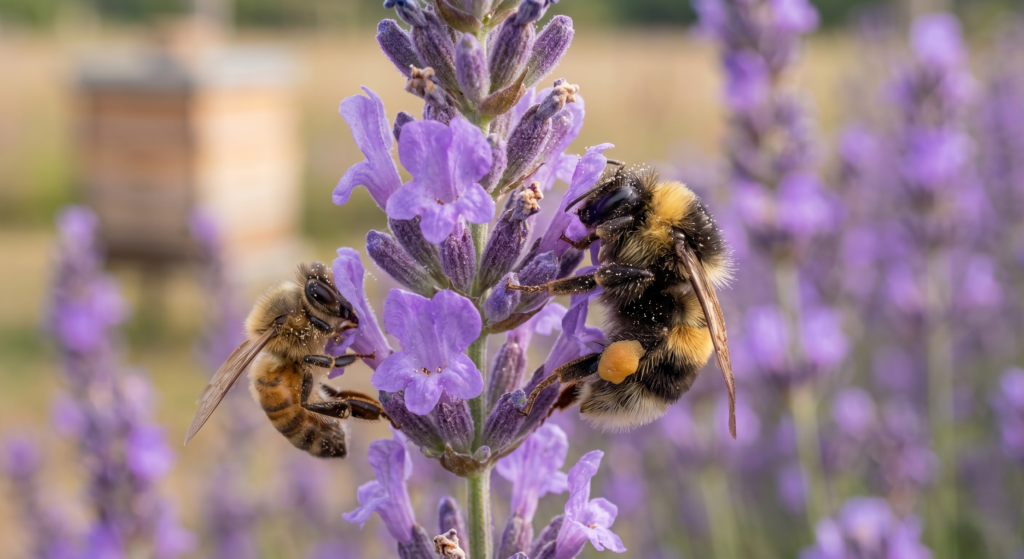
French Lavender
Recognized by decorative flower shapes.
Advantages:
✓ attractive appearance
✓ ornamental value
Spanish Lavender
Often selected for:
✓ warm climates
✓ landscaping purposes
Lavandin
A hybrid variety widely grown commercially.
Advantages:
✓ larger plants
✓ higher yields
✓ strong fragrance
Climate Requirements
Climate plays a major role in lavender success.
Lavender prefers:
☀ full sunlight
🌡 warm temperatures
💨 airflow
🌱 dry conditions
Daily sunlight recommendation:
☀ 6–8+ hours
Regions with long sunny periods generally produce stronger flowering and better oil quality.
Poor conditions may cause:
❌ weak growth
❌ fungal diseases
❌ lower flower production
Soil Preparation
Healthy soil is essential.
Lavender naturally prefers:
✓ light soil
✓ sandy texture
✓ excellent drainage
✓ moderate fertility
Lavender struggles in heavy wet soil.
Recommended soil mixture:
40% sandy soil
30% garden soil
20% compost
10% drainage materials
Soil pH preference:
📊 6.5–7.5
Good drainage matters more than rich soil.
Choosing the Planting Location
Plant spacing and field layout affect airflow and disease prevention.
Choose locations with:
✓ direct sunlight
✓ dry conditions
✓ open airflow
Avoid:
❌ standing water
❌ dense shade
❌ areas prone to flooding
Planting Lavender Step-by-Step
Step 1
Prepare soil and remove weeds.
Step 2
Dig planting holes.
Step 3
Position seedlings carefully.
Step 4
Fill soil around roots.
Step 5
Water lightly after planting.
Irrigation Requirements
One common beginner mistake is excessive watering.
Lavender tolerates dry conditions better than wet conditions.
Young plants:
💧 require regular watering
Established plants:
💧 require limited irrigation
Too much water may lead to:
❌ root rot
❌ fungal disease
❌ weak growth
Drip irrigation often works best because it delivers water directly to roots.
Recommended spacing:
📏 60–90 cm between plants
📏 90–120 cm between rows
Proper spacing improves:
✓ airflow
✓ harvesting access
✓ plant health
The Latest Harvest
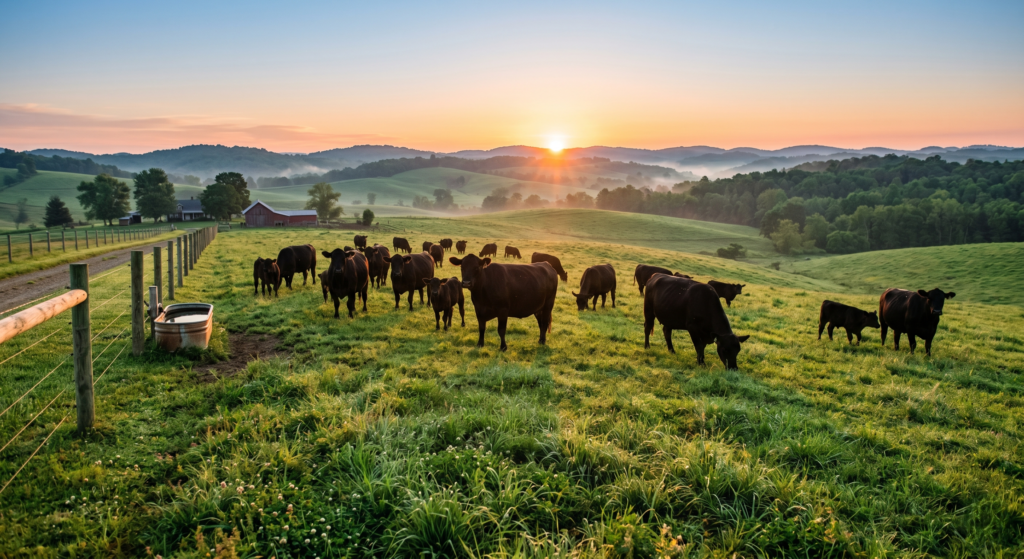
🐄 How to Raise Angus Cattle Successfully: Complete Beginner Guide to Healthy and Profitable Livestock Farming
🌸 Producing Lavender: Complete Guide to Growing a Distinctive High-Value Agricultural Crop